
As tax season approaches, businesses and freelancers are gearing up to fulfill their annual responsibility of issuing 1099 forms to recipients. Let’s explore the crucial deadlines for mailing out 1099s and we’ll provide some insights on the best practices for a smooth and timely distribution process.
Understanding 1099 Forms
Before delving into the deadlines, let’s briefly review what 1099 forms are. The 1099 series includes various forms that report income, other than wages, salaries, and tips. Businesses use different types of 1099s to report various types of income, such as interest, dividends, or nonemployee compensation.
Filing Deadlines to Send 1099
1. January 31: Deadline for Providing Recipients with 1099s
The clock starts ticking on January 1, and businesses have until January 31 to furnish 1099 forms to recipients. This deadline is non-negotiable and applies to all types of 1099s, including 1099-NEC for nonemployee compensation. Failure to meet this deadline or if a company fails to file it may result in penalties, so it’s crucial to ensure timely distribution.
2. February 28 (March 31 if filing electronically): IRS Filing Deadline
After providing recipients with their copies, businesses must submit the 1099 information to the IRS. The deadline for filing paper forms with the IRS is February 28, while electronic filers get an extended deadline until March 31. Keep in mind that this deadline is distinct from the recipient distribution deadline.
Mailing Out 1099s: Best Practices
If you’re wondering how to send a 1099 to someone, here it is. Let’s discuss the best practices for mailing out 1099 forms efficiently:
1. Gather Accurate Information
Before embarking on the mailing process of sending 1099 to contractor, ensure that you have accurate and up-to-date information for each recipient. This includes their legal name, address, and taxpayer identification number TIN. Mistakes in recipient information can lead to complications and delays.
2. Choose the Right Delivery Method
When it comes to mailing out 1099s, businesses have two primary options: traditional mail and electronic delivery. Traditional mail involves sending physical copies via postal services, while electronic delivery allows recipients to access their forms digitally. Carefully consider the preferences of your recipients and the security measures associated with each method.
3. Use Secure Mailing Practices
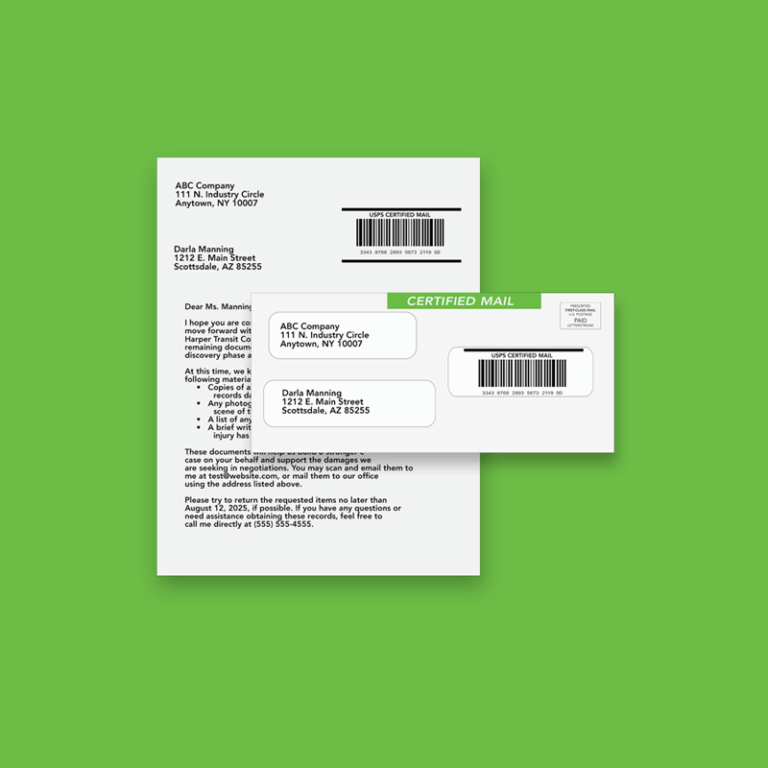
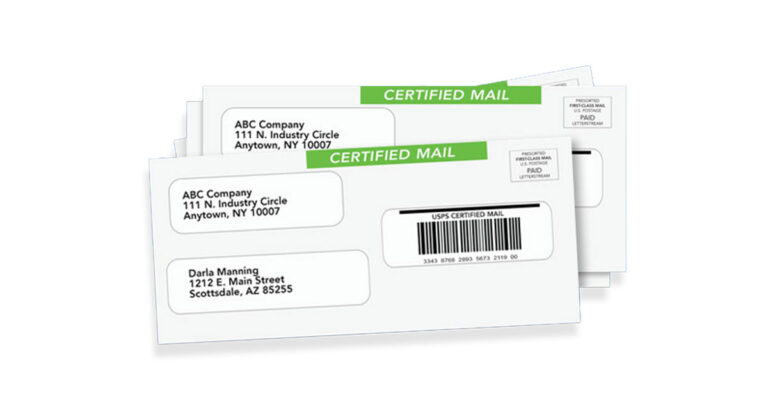
If opting for traditional mail, prioritize secure mailing practices. Use envelopes that conceal the contents and consider using Certified Mail or Registered Mail for added security. This ensures that the forms reach their destination safely and confidentially. you can load these into your LetterStream portal, which is a secure account, and then we handle the rest.
4. Communicate Clearly with Recipients
In addition to providing the required forms, consider including a cover letter or accompanying documentation that outlines the purpose of the 1099 and any additional information recipients may need. Clear communication helps recipients understand the importance of the document and how to use it when filing their taxes.
5. Stay Informed About Changes
Tax regulations can change, affecting the requirements for 1099 reporting. Stay informed about any updates or changes in tax laws to ensure compliance. This proactive approach helps businesses adapt their processes accordingly and avoid last-minute complications.
On a side note, some way wonder, “Do I send a 1099 to an LLC?” If it falls under partnership tax or single-member LLC then yes, you send the LLC a 1099 form.
Navigating the intricacies of tax season and meeting 1099 deadlines is essential. By understanding the key dates and implementing best practices for mailing out 1099s, businesses can streamline the process, mitigate risks, and contribute to a successful tax season for both themselves and their recipients. Remember, timely and accurate 1099 distribution is not only a legal obligation but also a demonstration of professionalism and reliability in the eyes of your clients and contractors.
The USPS postage rate increase just took place. Learn more about it here.